

Pest Control: Effective Ways to Protect Your Home From Common Pests
Pest control is an essential part of maintaining a clean, comfortable, and healthy home. Insects and other unwanted pests can contaminate food, damage property, and create conditions that make everyday living less pleasant. Understanding how pests enter a home, what attracts them, and how to prevent infestations can help homeowners maintain a safer indoor environment.
Whether dealing with ants, cockroaches, rodents, or other household pests, an effective pest control strategy combines prevention, proper sanitation, monitoring, and targeted treatment.
Why Is Pest Control Important?
Pests can cause a variety of problems inside residential properties. Some contaminate food and food preparation surfaces, while others damage wood, fabrics, insulation, and stored belongings. Certain pests may also trigger allergies or contribute to the spread of harmful microorganisms.
Professional pest control helps identify the source of an infestation and determine the most appropriate treatment. Rather than simply eliminating visible pests, a thorough approach focuses on understanding their behavior, locating entry points, and reducing the conditions that allow them to survive.
Early intervention can also prevent a small pest problem from developing into a larger and more expensive issue.
Common Household Pests
Several types of pests frequently enter residential buildings.
Ants: Ants are often attracted to sugary foods, grease, crumbs, and accessible water sources. They may enter through small cracks and establish trails between food sources and nesting areas.
Cockroaches: These insects thrive where food, moisture, and shelter are available. Kitchens, bathrooms, drains, and cluttered storage areas can provide suitable hiding places.
Rodents: Mice and rats can enter through gaps around pipes, doors, foundations, and other openings. They may chew materials, contaminate food, and damage electrical wiring.
Termites: Termites feed on cellulose-containing materials and can cause significant structural damage when left undetected.
Bed bugs: These insects feed on blood and commonly hide in mattress seams, bed frames, furniture joints, and other narrow spaces.
Each pest requires a different management approach, making accurate identification an important first step.
Practical Pest Prevention Tips
Preventing pests from entering your home is often easier than managing an established infestation.
Keep Food Properly Stored
Store food in tightly sealed containers and clean up spills promptly. Avoid leaving uncovered food, dirty dishes, or pet food accessible overnight.
Regularly empty rubbish bins and use containers with secure lids to reduce odors that attract insects and rodents.
Eliminate Excess Moisture
Many pests depend on water to survive. Repair leaking faucets and pipes, dry damp areas, and improve ventilation in bathrooms and other moisture-prone spaces.
Check under sinks and around appliances for signs of leaks that may create favorable pest conditions.
Seal Entry Points
Inspect doors, windows, vents, and utility openings for gaps. Use suitable sealing materials and install door sweeps or screens where appropriate.
Reducing access points can help prevent insects and rodents from entering the property.
Reduce Clutter
Cardboard boxes, unused paper, piles of clothing, and other clutter can provide hiding places for pests. Organize storage areas and keep belongings away from damp walls and floors.
A cleaner, less cluttered environment also makes it easier to identify early signs of pest activity.
When Should You Consider Professional Pest Control?
Professional assistance may be appropriate when pests continue to appear despite preventive measures, when an infestation spreads, or when the source of the problem is difficult to identify.
Recurring cockroach activity, persistent rodent sightings, suspected termite damage, and bed bug infestations often require specialized inspection and treatment.
A qualified pest management professional can identify the pest, assess the severity of the problem, recommend suitable treatment options, and explain any preparation or follow-up steps required.
Understanding Integrated Pest Management
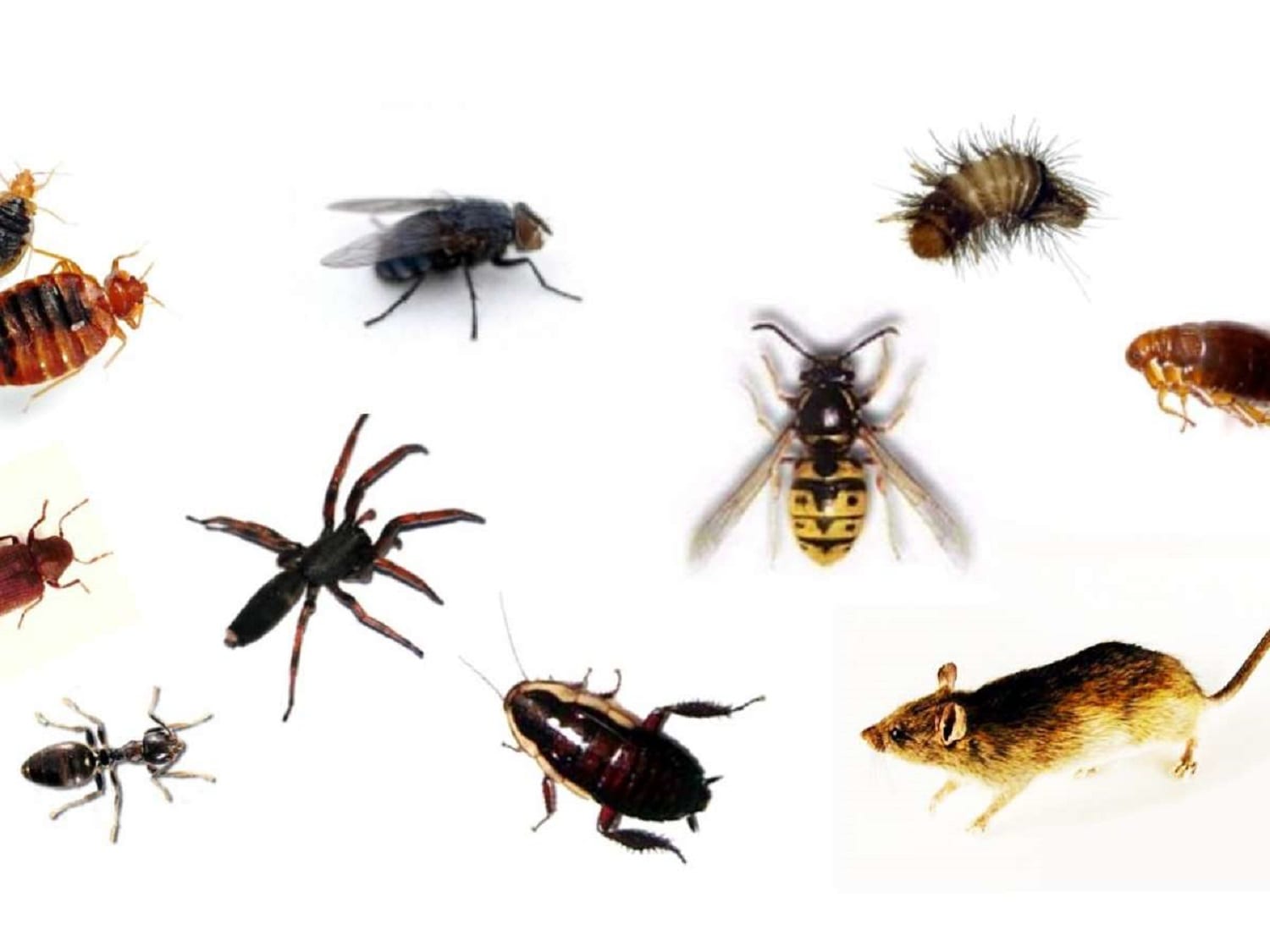
Integrated pest management is an approach that combines several methods to control pests while reducing unnecessary pesticide use.
It typically includes inspection, accurate pest identification, sanitation, exclusion, monitoring, and targeted treatment when necessary.
For example, controlling cockroaches may involve removing food sources, repairing leaks, sealing entry points, and applying an appropriate treatment in identified harborages.
Roaches Brandon Fl focuses on long-term prevention rather than relying exclusively on repeated chemical applications.
Choosing Safe Pest Treatment Options
When pesticides are necessary, products should be selected and applied according to their labels and intended uses. Keep children and pets away from treated areas as directed, and never mix pesticides unless the product instructions explicitly permit it.
Avoid using outdoor pesticides indoors or applying products near food preparation surfaces contrary to label directions. For extensive infestations or situations involving sensitive environments, professional treatment may be the safer option.
Conclusion
Effective pest control begins with understanding the pests involved and eliminating the conditions that attract them. Regular cleaning, moisture management, proper food storage, and sealing entry points can reduce the likelihood of infestations. When problems persist, professional inspection and targeted treatment can help restore a comfortable living environment and support long-term pest prevention.